Refresh 2026 recap: Shifting from tickets to prevention with AI
Freshworks introduces the AI maturity curve for IT service operations and illustrates how companies are advancing value with AI



The way organizations use AI is rapidly changing.
Most companies today rely on AI that is assistive—it accelerates manual tasks by serving up knowledge and content.
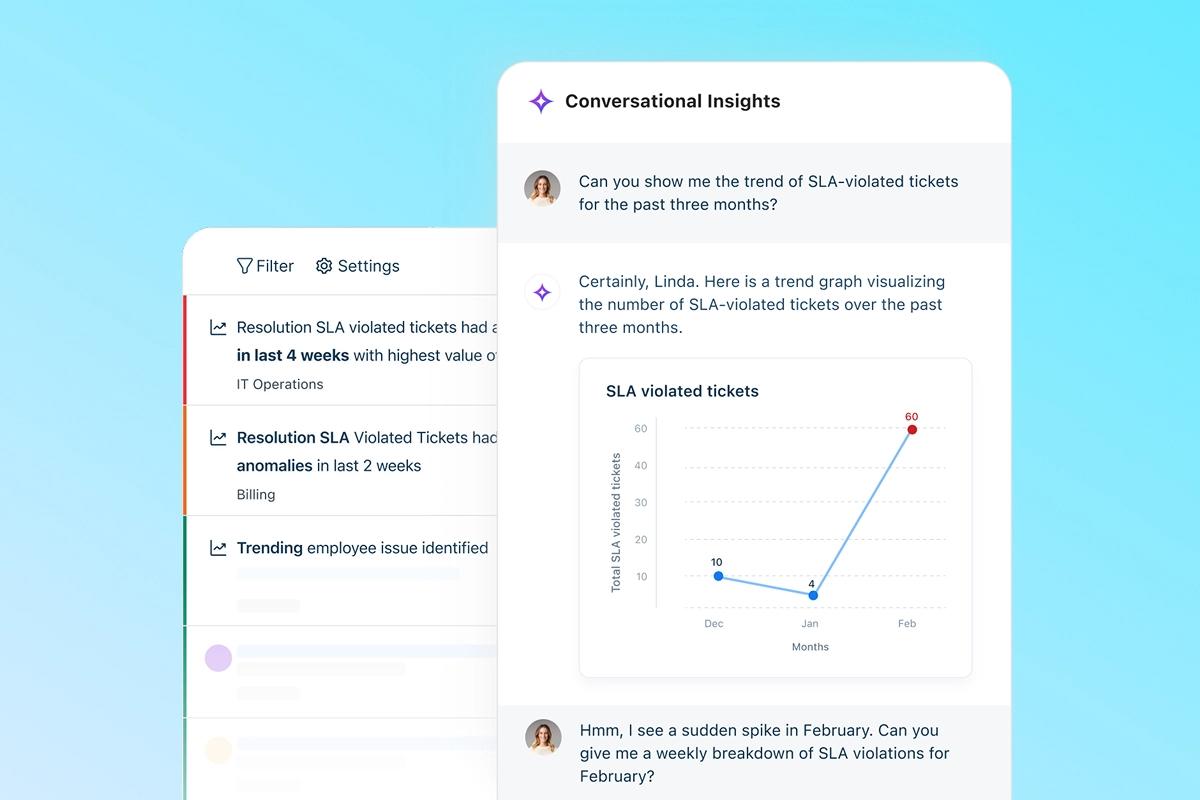
Freshworks sees another type of AI on the horizon. One that goes beyond assistance into prediction so it can prevent IT issues before employees even notice them.
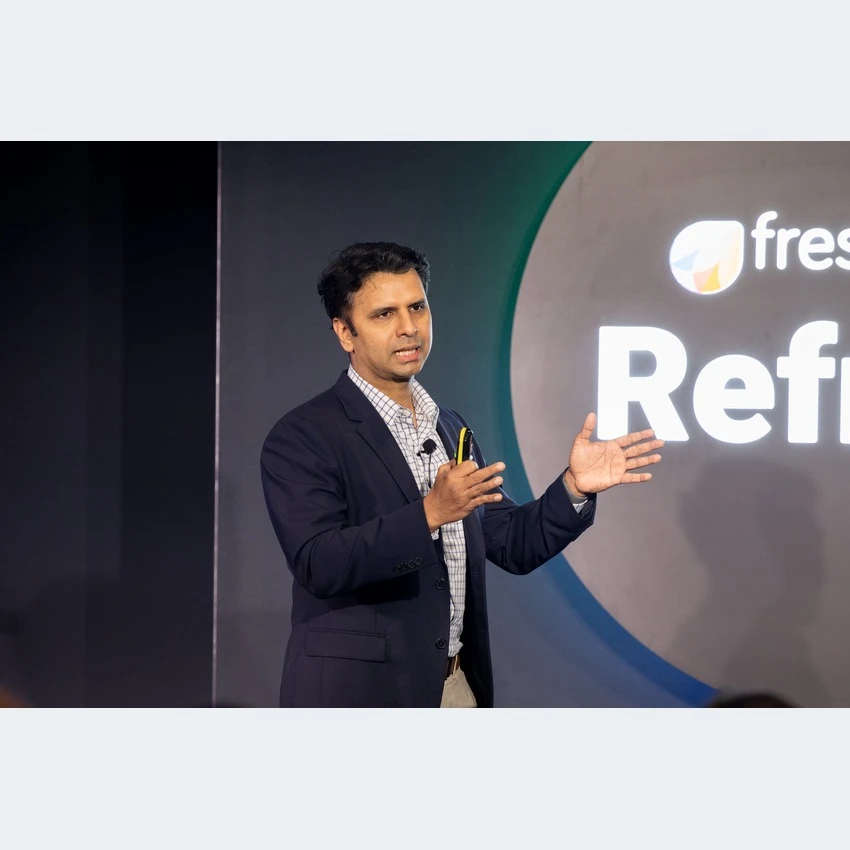
In a session at Refresh 2026, Ventak Venkataraman, Freshworks VP of AI products, introduced a framework for AI maturity and shared how agile enterprises can successfully execute a "shift-left" strategy to move from reactive firefighting to autonomous service operations.
Moving up the AI maturity curve
For Venkataraman, “every single person and organization is somewhere on this maturity curve. Everyone’s going to move up, and I firmly believe it’s not a question of ‘if’—it’s just a matter of when.”
Advancing on that curve requires a phased approach. It's less about attempting to transform everything overnight, and more about building on value by having a clear destination in mind.
Read more: Build the future of AI-first service
What ‘shift left’ means for AI adoption
In traditional IT, a problem happens, a user creates a ticket, and it routes through Level 1, Level 2, and Level 3 support. “Shift-left” means using AI to move that resolution closer to the point of origin.
According to Venkataraman, “what we are talking about is shifting left far enough in the world of service management where an issue does not even happen. Tickets get pushed to the background. They are artifacts that tell you what happened, but they’re not the first point of contact.”
Instead, your systems are analyzing signals in the background to predict issues and immediately remediate them.
Read more: Bringing reliability operations into service management
How agile enterprises can start without starting over
You don’t need a massive multiyear transformation project to see results, Venkataraman notes. Start simple. Automate the routine, highly repetitive tasks first: the password resets, the basic software provisioning.
Once those guardrails are working, start building workflows that are a little more complex.
“All your workflows that you have can be ‘agentified.’ It’s about building on top of what you already have,” Venkataraman notes.
To catch the full event, check out the on-demand Virtual Summit replay, and watch a clip from Venkataraman’s session below: