Scaling Support: How an Employee Self-Service Portal Transforms the Workplace

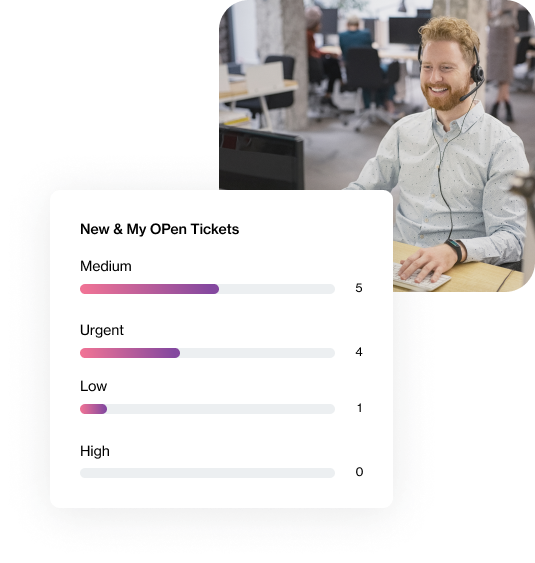
As organizations grow, the volume of routine questions such as “How do I see my payslip?” or “What is the holiday policy?” can quickly overwhelm HR and IT teams. Without a centralized source of truth, support staff end up spending a significant portion of their day responding to repetitive inquiries instead of focusing on higher-value work.
An employee self-service portal fundamentally changes this dynamic. It shifts support from a reactive, ticket-heavy model to a proactive, “self-service first” experience. By combining an intuitive interface with robust knowledge base software for HR, organizations can reduce dependency on support teams while giving employees instant, always-on access to the information they need.
The Strategic Benefits of an Employee Self-Service Portal
Adopting an employee service portal is not just about convenience. It is a critical enabler for scaling internal operations efficiently.
24/7 Access to Information
Employees increasingly work across time zones and flexible schedules. A self-service portal ensures they can find answers or submit requests at any time, without waiting for HR or IT office hours.
Meaningful HR Ticket Deflection
When common questions are resolved through knowledge articles, fewer tickets reach HR and IT teams. Effective HR ticket deflection allows specialists to focus on complex, sensitive, or strategic issues rather than answering the same questions repeatedly.
A Single Source of Truth
A centralized knowledge base ensures that policies, procedures, and guidelines are consistent across the organization. When a policy changes, updating a single article immediately reflects the new information everywhere.
Faster End-to-End Resolution
Structured request forms within the employee self-service portal guide employees to provide the right information upfront. This eliminates back-and-forth emails and accelerates resolution times.
Key Features of a High-Performance Employee Service Portal
To drive adoption, an employee service portal must feel intuitive and consumer-grade. The most effective portals share a few core characteristics.
Intuitive, Search-First Experience
Employees should not have to browse complex menus. A natural-language search experience should surface relevant articles or request forms within seconds.
Personalized Experiences
A modern employee self-service portal adapts to the user. Managers may see approval workflows and team-related requests, while new hires see onboarding resources and setup guides.
AI-Assisted Guidance
Chatbots and AI assistants can act as the first point of interaction, guiding employees to the right knowledge articles or helping them raise a request when self-service is not enough.
Omnichannel Accessibility
Whether employees are working from a desktop, mobile device, or collaboration tools like chat applications, the portal should be accessible wherever work happens.
Building Knowledge Base Software for HR and IT That Employees Actually Use
A portal is only as effective as the content behind it. Strong knowledge base software for HR requires intentional design and ongoing ownership.
Start with High-Volume Questions
Review recent HR and IT tickets to identify the most frequently asked questions. Prioritize these topics when creating your initial knowledge articles.
Assign Clear Ownership
Every article should have a defined owner. HR teams should own policy, benefits, and compliance content, while IT owns hardware and software guidance. Clear ownership prevents content from becoming outdated.
Continuously Improve with Feedback
Simple feedback mechanisms like “Was this helpful?” allow teams to identify unclear articles and fill content gaps over time.
Measuring Success: KPIs for Employee Self-Service
To understand whether your employee self-service portal is delivering value, track a small set of meaningful metrics.
Metric | What It Measures |
HR Ticket Deflection Rate | Percentage of sessions where employees find answers without creating a ticket |
CSAT (User Satisfaction) | Employee satisfaction with the self-service experience |
Search-to-Ticket Ratio | How often a specific search term leads to a ticket. |
Tips for Driving Portal Adoption
Lead with quick wins
Promote simple, high-impact use cases such as updating personal information or accessing payslips to demonstrate immediate value.
Use analytics to guide content creation
Search terms that return no results are clear indicators of what content needs to be added next.
Actively promote the portal
Reinforce usage by linking the employee service portal in HR and IT communications and email signatures, positioning it as the default entry point for support.
How Freshservice Powers Employee Self-Service at Scale
Freshservice enables organizations to deliver a modern employee self-service portal that reduces support load while improving employee experience.
With Freshservice, organizations can:
Provide employees with instant answers through a centralized service portal and AI-powered assistance
Use knowledge base software for HR and IT to deflect repetitive queries before they become tickets
Enable omnichannel access so employees can search for answers or raise requests from one unified experience
Track HR ticket deflection, portal usage, and service performance through built-in analytics
By combining self-service, knowledge, and automation, Freshservice helps HR and IT teams scale support without scaling headcount.
The Bottom Line
An employee self-service portal is the foundation of modern, scalable internal support. It respects employees’ time, reduces pressure on HR and IT teams, and creates a faster, more consistent service experience across the organization.