Choosing the Right HR Ticketing System: A Buyer’s Guide

Selecting an HR ticketing system is no longer just an operational upgrade. It is a foundational decision that shapes how employees experience HR across every stage of their lifecycle. As organizations scale, relying on shared inboxes and manual tracking creates delays, visibility gaps, and compliance risks that modern HR teams can no longer afford.
Unlike traditional IT helpdesks, HR systems must manage sensitive employee data while delivering a warm, human-centered experience. The right HR service management tool enables HR teams to streamline requests, improve visibility, and scale service delivery without increasing administrative overhead.
What to Look for in a Modern HR Ticketing System
A modern HR ticketing system should do more than log requests. It should actively reduce administrative effort while improving employee satisfaction and trust.
Employee-Centric Request Experience: Adoption starts with ease of use. Employees should be able to submit requests through an intuitive self-service portal or directly from collaboration tools like chat applications. If using the system feels harder than sending an email, adoption will suffer.
Structured Case Management and Ownership: A purpose-built HR case management approach ensures every request has a clear owner, priority, and status. This eliminates blind spots common in shared inboxes and ensures sensitive cases are handled with accountability.
Self-Service and Knowledge Deflection: An effective HR helpdesk software includes a searchable knowledge base that allows employees to resolve common questions on their own. This reduces repetitive queries while improving response times for more complex issues.
HR-Relevant Reporting and Visibility: Generic dashboards are not enough. HR leaders need insights into metrics such as resolution times for payroll issues, onboarding requests, or policy inquiries to continuously improve service delivery.
A Step-by-Step HR Case Management Evaluation Framework
Moving from a manual inbox to a structured HR ticketing system requires a deliberate evaluation process.
Step 1: Audit Your Current Pain Points: Document where HR requests originate today, how they are tracked, and where delays occur. Identify risks around sensitive information being shared over email or chat without proper controls.
Step 2: Define Your Security and Compliance Baseline: HR cases often contain salary details, medical leave information, or employee relations data. Ensure the system supports role-based access, audit trails, and compliance with relevant data protection regulations.
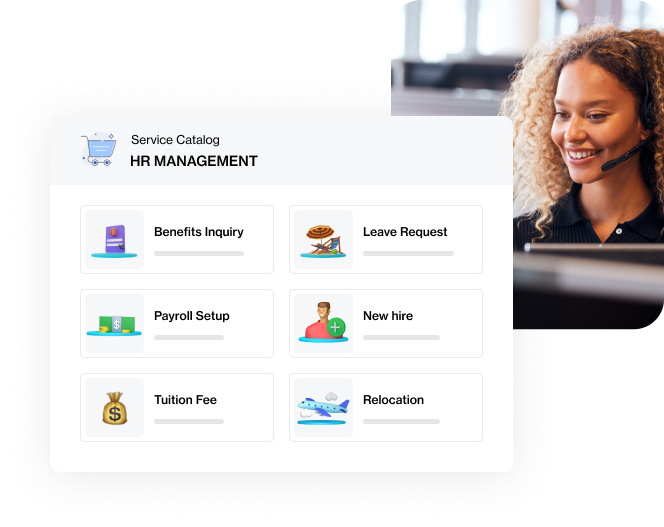
Step 3: Map Your HR Service Catalog: Define the services HR will offer through the system. Common categories include:
Payroll and compensation
Benefits enrollment
Employee relations
Onboarding and offboarding
Employee document requests
A clear service catalog sets expectations and creates a consistent employee experience.
Step 4: Evaluate Automation Capabilities: A scalable HR service management tool should eliminate manual triage. Look for automated routing that sends payroll cases to payroll specialists, benefits questions to benefits teams, and employee relations cases to the appropriate experts, with SLAs applied by request type.
Step 5: Assess Integration Readiness: Your HR ticketing system should integrate with your HRIS to pull employee context and connect with collaboration tools so employees can raise requests without switching platforms.
Step 6: Run a Focused Pilot: Start with one HR function, such as payroll or benefits. Gather feedback from both employees and HR agents, refine workflows, and then expand across the organization.
Must-Have Features in an HR Service Management Tool
Feature | Why It Matters |
Employee Self-Service | Reduces inbound volume and improves employee experience |
Automated Ticket Routing | Ensures cases reach the right HR specialists instantly |
Service Catalog | Provides a consistent, consumer-grade HR experience |
SLA Management | Enforces accountability for time-sensitive HR issues |
AI Assistance | Helps agents respond faster and manage cases efficiently |
Secure Access Controls Protects sensitive HR data and supports compliance
Implementation Best Practices: Avoiding Common Pitfalls
Avoid over-customization early Start with standard workflows and refine them based on usage instead of recreating every legacy process.
Engage stakeholders upfront Involve HR leaders, IT, and compliance teams early to ensure categories, workflows, and access controls are well defined.
Measure and communicate impact Track metrics such as ticket deflection rate, average resolution time, and employee satisfaction to demonstrate ROI.
How Freshservice Supports Modern HR Ticketing
Freshservice provides a modern HR ticketing system designed to support secure, scalable, and employee-friendly HR service delivery.
With Freshservice as your HR service management tool, organizations can:
Enable employee self-service through a modern portal and Freddy AI–powered agents that provide instant answers
Automatically route HR tickets to the right Centers of Excellence using rule-based workflows
Fulfill employee document requests through automated case management instead of manual follow-ups
Orchestrate onboarding, offboarding, and employee transitions using structured Journeys that span HR, IT, and Facilities
Track SLAs, resolution times, and service performance through HR-focused reporting and analytics
Freshservice combines the capabilities of HR helpdesk software and enterprise service management, allowing HR teams to deliver consistent, high-quality service at scale.
The right HR ticketing system transforms HR from a reactive support function into a strategic service organization. By investing in structured case management, automation, and self-service, HR leaders can deliver faster, more consistent experiences while maintaining trust, compliance, and scalability.